
A quiet school library corner with warm wooden shelves and an open book on a table.
The Library

Resources.

Evidence guides, classroom tools and parent resources — curated for primary schools in England.
Audience
Theme
Type
Age
10 resources
A stack of well-loved picture books beside a small notebook and pen on a wooden desk in soft window light.
Evidence guideAll primary12 min read

Working Memory

How working memory shapes classroom learning, and the small changes that make the biggest difference.
A pegboard on a classroom wall with wooden name tags in warm afternoon light.
Evidence guideAll primary14 min read

Executive Function

Planning, flexibility, impulse control — and how to build the scaffolds a developing brain needs.

An open book and pencil on a classroom desk lit by low morning sunlight through a window.
Evidence guideAll primary11 min read

Attention

What we mean by attention, why it wanders, and the classroom conditions that help it hold.
A quiet primary school book corner with a wooden bench, cushions and a basket of picture books beside a window in soft daylight.
Evidence guideAll primary15 min read

Emotional Regulation

Not the ability to stay calm. What emotional regulation really involves, how it grows through relationships, and what helps at home and in class.
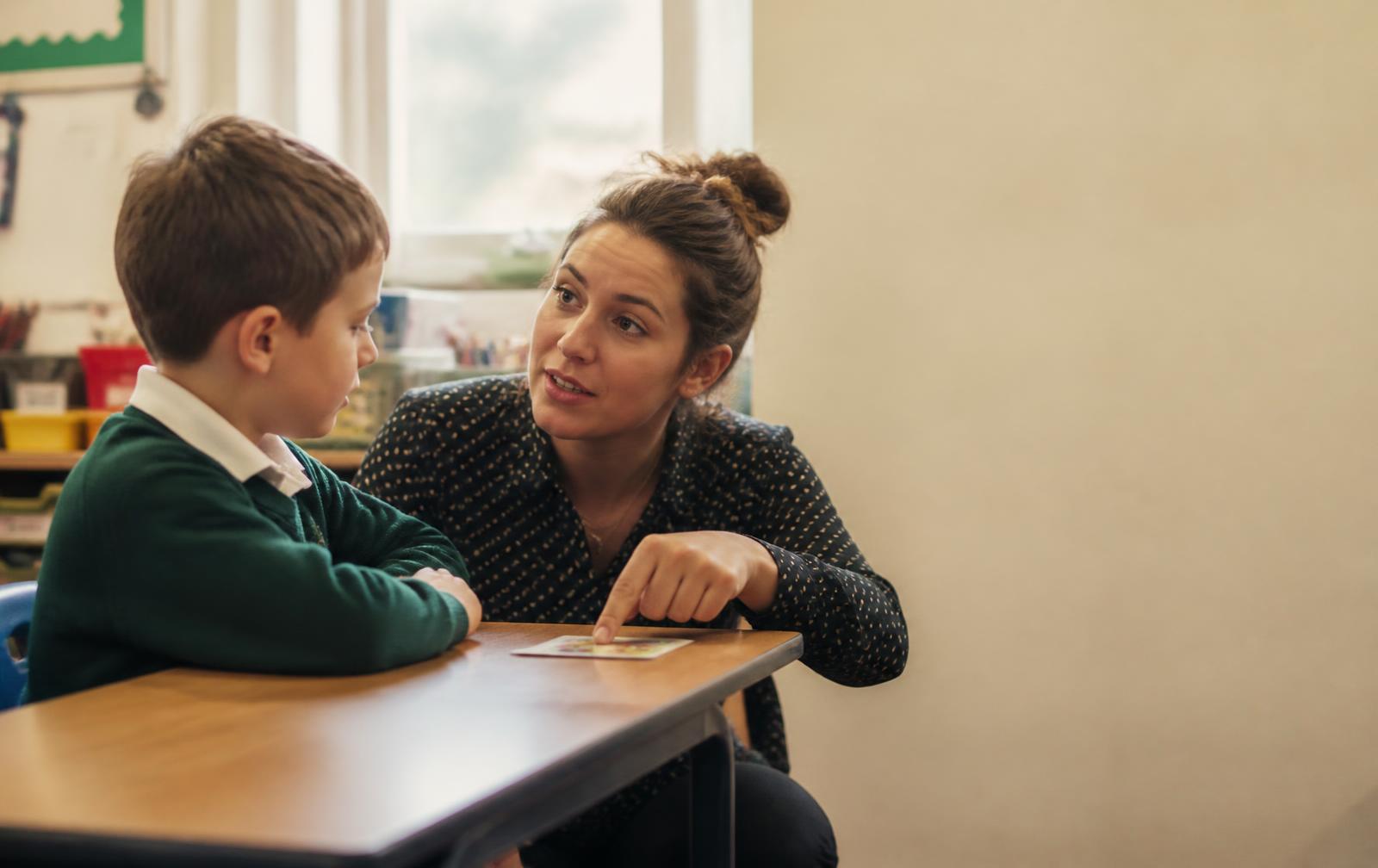
A teacher crouched at eye level beside a young child at a classroom desk, pointing at a small visual card in soft window light.
Evidence guideAll primary13 min read

Understanding Spoken Language

Hearing isn't understanding. How classroom language creates or removes barriers — and what to change first.
An adult and a young primary school child sitting side by side over an open picture book in soft window light.
Evidence guideAll primary14 min read

Vocabulary & Word Knowledge

Knowing a word is not all-or-nothing. What word knowledge really involves, why it sits underneath comprehension, and how to teach it without a deficit story.

A child's small hands holding an autumn maple leaf in soft window light.
Evidence guideAll primary12 min read

Cognitive Load

How task design, pace and presentation shape how much a child can hold in mind — and learn from — at once.
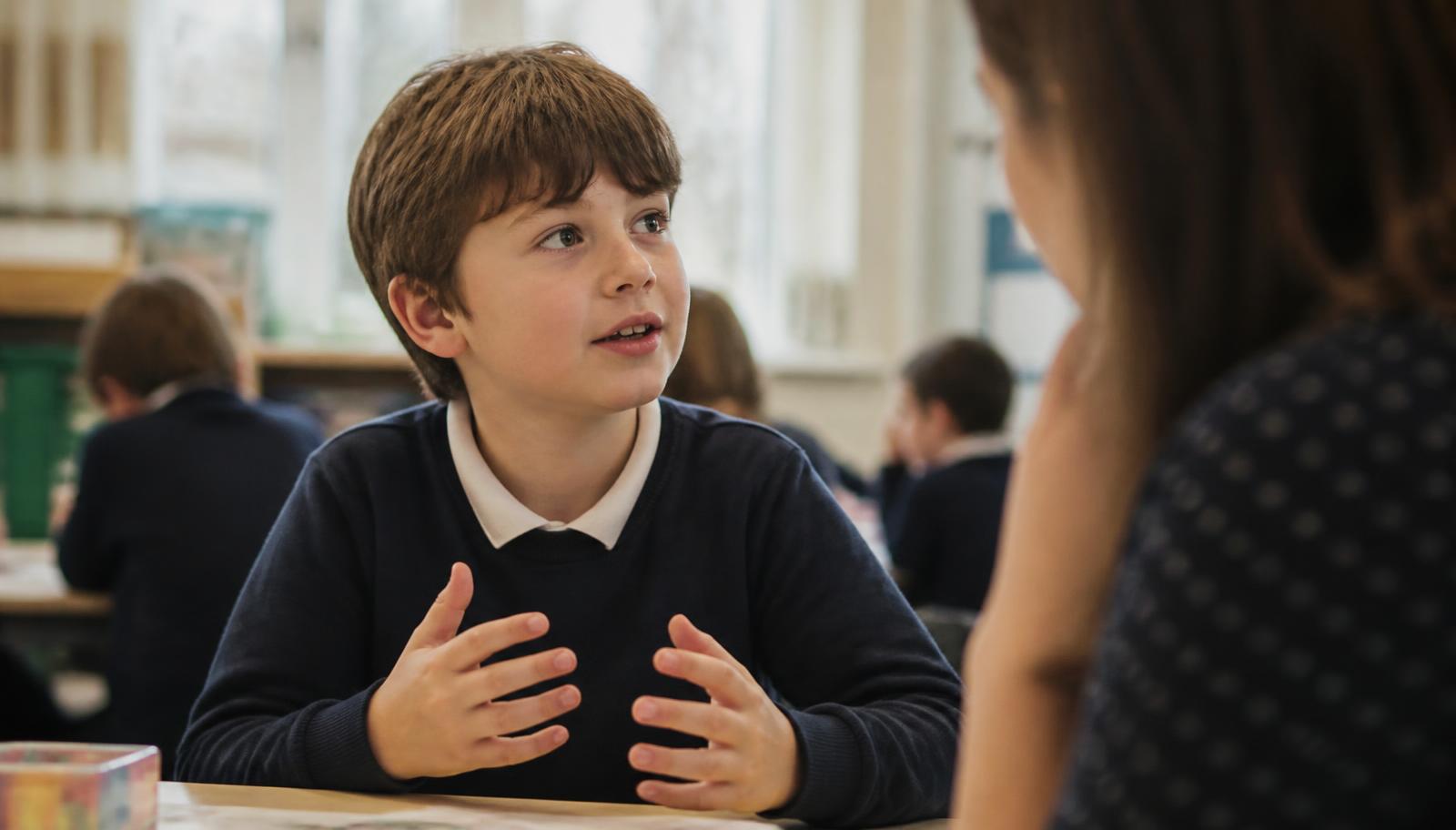
A young primary school child talking animatedly to an adult across a classroom table in soft window light.
Evidence guideAll primary14 min read

Expressive Language

Many children understand far more than they can say. How to tell the difference — and what to change so they can show what they know.
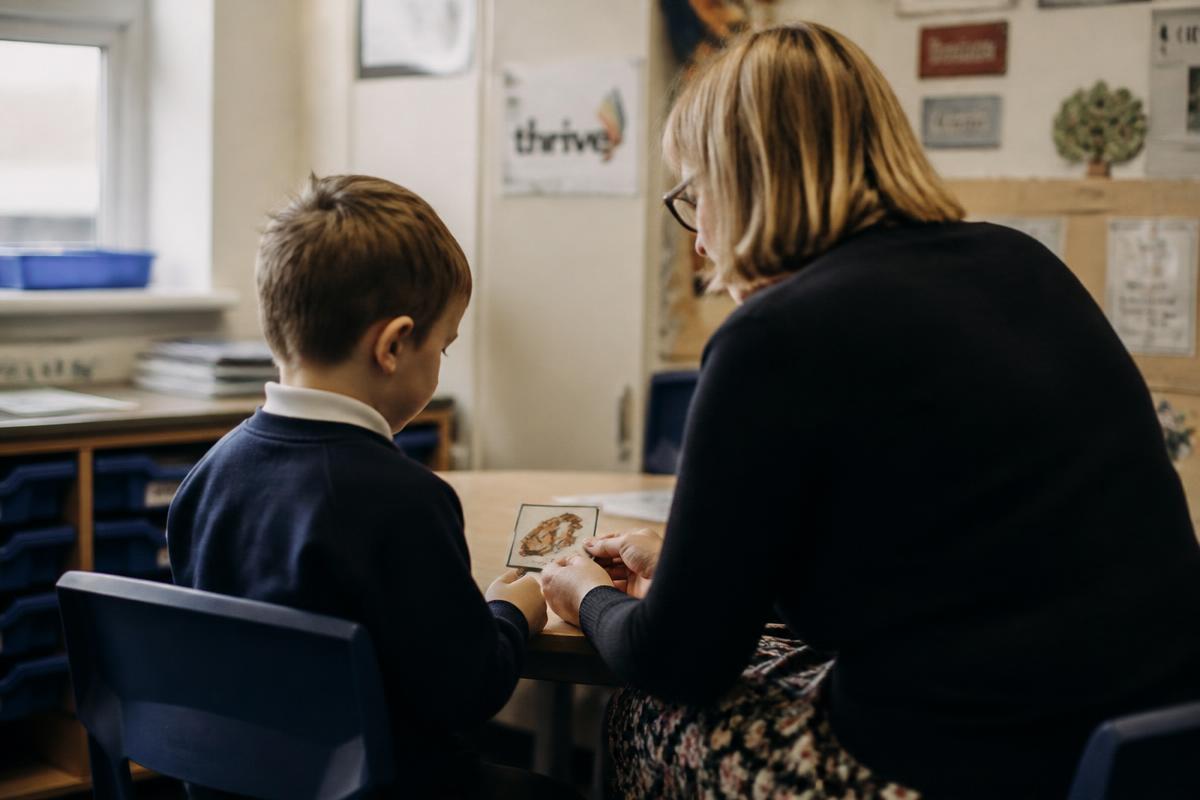
An adult and a young primary school child sitting side by side at a classroom table, looking together at a small picture card in soft window light.
Evidence guideAll primary14 min read

Speech Sounds & Speech Clarity

Being hard to understand is not the same as having less to say. How speech sounds develop, what helps in class and at home, and when to seek advice.
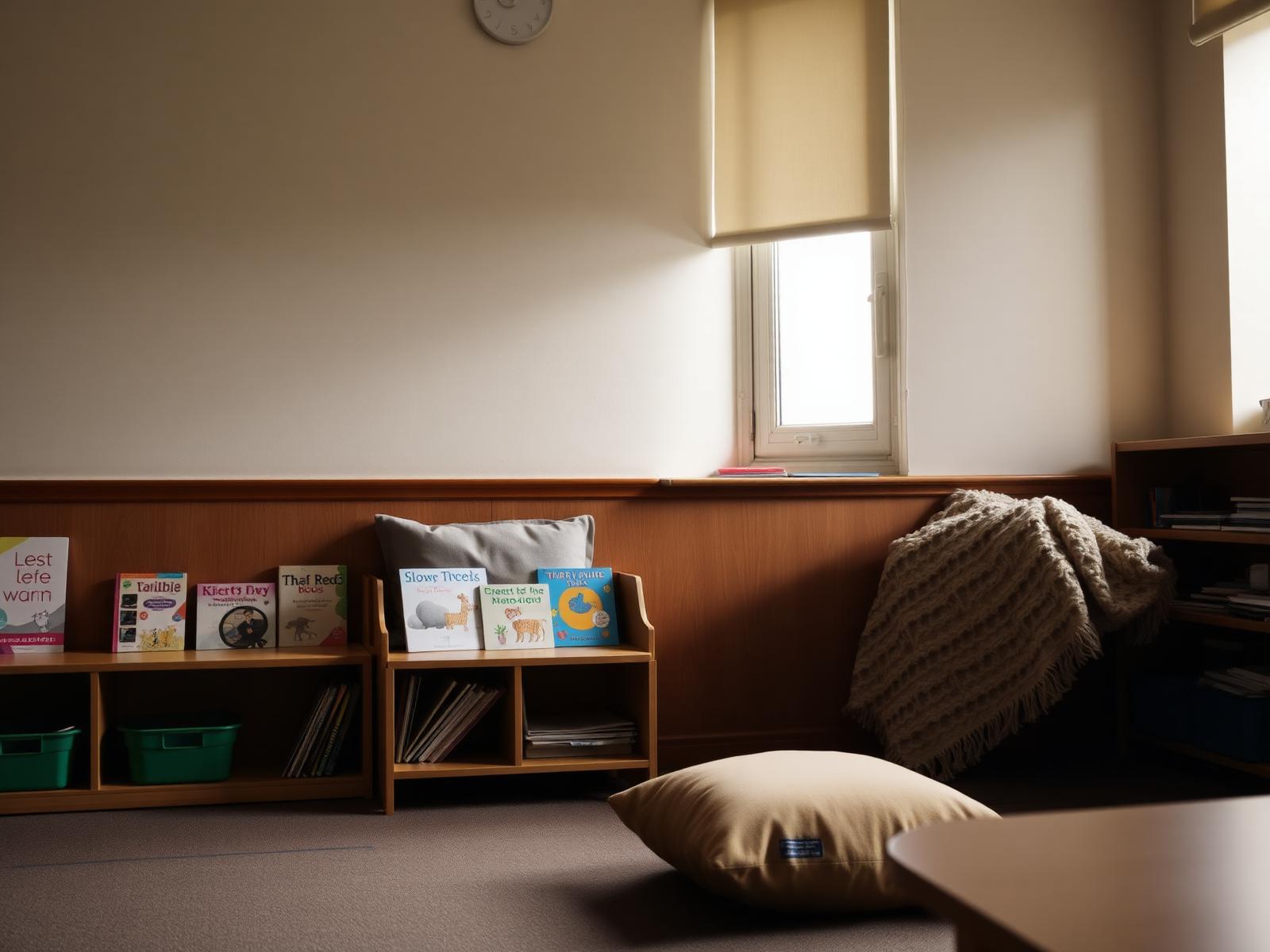
A quiet classroom corner with a small chair and cushion in soft afternoon light.
Evidence guideAll primary18 min read

Processing Speed

The pace at which a child takes in and responds to information — and why slower doesn't mean less capable.