
Relationships & Belonging
Feeling known, safe and wanted is the ground everything else stands on. This guide looks at trusted adults, friendship, inclusion and repair — and at what schools and families can actually change.
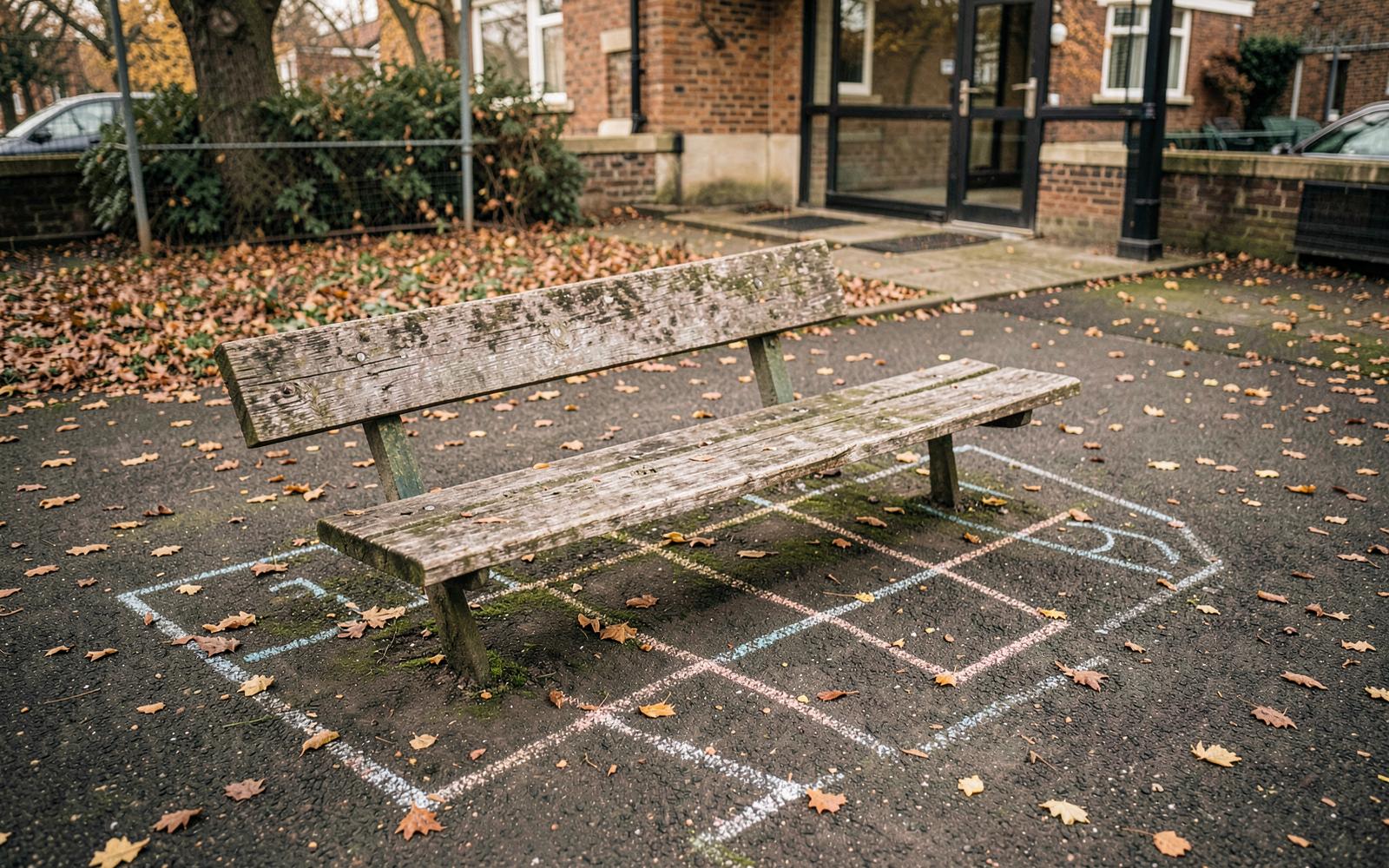
Belonging is the sense of being known, safe and wanted somewhere. For a primary-aged child that usually comes down to three things: an adult who knows them properly, someone they are pleased to see, and a place where they know what happens. It is not the same as popularity, and a quiet child with one steady friend may have far more belonging than a child in a large shifting group. NICE and the DfE whole-school framework both treat relationships and school climate as foundational rather than as an extra — and it is built in the ordinary parts of the day: who gets greeted, who gets a job, who is picked last, and what happens at playtime. Falling out is part of it; learning to disagree and repair is one of the things primary school is for.
Everyday things you may see
These are observations, not labels. One on its own means very little; a pattern over time is worth talking about.
- Never mentioning anyone by name, or a different name every week.
- Spending playtimes near an adult, or hovering at the edge of a game.
- Coming home hungry because lunchtime was spent elsewhere.
- Reluctance to go to clubs or parties they used to enjoy.
- Being invited to less than they used to be.
- Talking about themselves differently — that nobody likes them, that they are annoying.
- Patterned absence on particular days or afternoons.
Five evidence-informed ideas
Practical, realistic and usable in a mainstream classroom tomorrow.
- Know every child by name and by something
Greet at the door daily, and know one non-school thing about each of them by half term. Then check who you would struggle to write anything about.
- Choose the pairs and groups yourself
Free choice reliably leaves the same children out. Distribute jobs and responsibilities deliberately too.
- Watch a playtime as an observer
Fifteen minutes off duty tells you more about a child's social position than a term in the classroom.
- Give a role, not a rescue
A job, equipment to look after, a game to run — a reason to be with others without becoming a project.
- Structure the unstructured time
Lunchtime clubs, a games table, defined activities at wet play. Free time is hardest for the children who most need somewhere to be.
Supporting your child at home
Small, achievable things that make a real difference — no special resources needed.
- Ask better questions
"Who did you sit with?", "What did you play?" rather than "Did you have a good day?" Specific questions get specific answers.
- One child at a time, with something to do
Friendships are easier to build away from the crowd, and a shared activity carries the conversation.
- Find a place outside school
A club built around a real interest. One setting where they are liked protects a great deal.
- Rehearse the tricky bits
How to join in, how to say no, how to leave a game. These are learnable skills, and practising lowers the cost of trying.
- Talk to school early
They can see the playground and you cannot. Most social difficulty is more fixable at school than at home.
What is often assumed — and what the evidence says
One reliable friendship and one trusted adult do more than a wide circle of loose acquaintances.
Some children genuinely prefer quiet. The question is whether they are content or lonely — those look similar from outside.
That creates a caring relationship, not a friendship, and both children usually know it. Build genuine shared activity instead.
Bullying is generally repeated, intended to hurt, and involves an imbalance of power. Labelling every argument that way makes it harder to act on the real thing.
Support that always removes a child to work with an adult reduces the peer contact friendship depends on.
Describe what you see at playtimes and in group work, and name one thing you are going to change.
Audit peer contact as well as intervention hours, check club and trip participation, and ask whether each child can name a friend and a trusted adult.
Every school must have an anti-bullying policy setting out how to raise a concern and what happens next. Where mood, sleep or attendance are affected, a GP can advise.
This is about conditions, not diagnosis. A child who finds friendship difficult is not automatically a child with a social communication need — but persistent difficulty alongside language or sensory differences is worth raising.
Go deeper when you want to
The complete professional guide to relationships & belonging — research, classroom practice and implementation.
OpenSearch the strategy library for immediate, practical classroom ideas.
OpenPlain-English guides, scripts and printable tools for families.
OpenThe mental notepad that lets a child hold information in mind long enough to use it — and the small changes that make the biggest difference.
Planning, flexibility and impulse control — the mental machinery that lets a developing brain get things done.
What we mean by attention, why it wanders, and the classroom conditions that help it hold.