

A calm home for families.
Helping parents understand children, reduce barriers and build confidence at home — the same evidence teachers use, written for you.
You don't need a teaching background to use any of this.
The Kind Learner Space is where families come for practical, evidence-informed ways to support their child at home. Read the parts that feel useful and skip the rest.
Every guide here draws on the same evidence the professional site uses — just written in plain English for home.
Start with what you're wondering about.
When mornings feel hard and school worries pile up.
Understanding attention, impulse and energy at home.
Ways of being that shape communication, sensory life and routine.
The mental notepad — why instructions slip and what helps.
Planning, starting, switching — the invisible skills of getting things done.
How focus grows, and what quietly gets in the way.
Building connection when social life feels tricky.
Meltdowns, worries and everything in between.
When getting to school becomes the hardest part of the day.
Making home-learning calmer for everyone.
Small changes that help a child settle and stay asleep.
Understanding what your child's body is telling them.
Moving from one thing to the next without a wobble.
Behaviour as communication — what it might be telling you.
Helping a child ride the wave of a big feeling.
The same evidence, in plain English.
Each guide opens straight to the family view of an Evidence Guide. Teachers see one version; you see another. Same underlying knowledge.

Working Memory
How working memory shapes classroom learning, and the small changes that make the biggest difference.

Executive Function
Planning, flexibility, impulse control — and how to build the scaffolds a developing brain needs.

Attention
What we mean by attention, why it wanders, and the classroom conditions that help it hold.

Cognitive Load
How task design, pace and presentation shape how much a child can hold in mind — and learn from — at once.
Processing Speed
The pace at which a child takes in and responds to information — and why slower doesn't mean less capable.
Understanding Spoken Language
Hearing isn't understanding. How classroom language creates or removes barriers — and what to change first.
Expressive Language
Many children understand far more than they can say. How to tell the difference — and what to change so they can show what they know.
Vocabulary & Word Knowledge
Knowing a word is not all-or-nothing. What word knowledge really involves, why it sits underneath comprehension, and how to teach it without a deficit story.
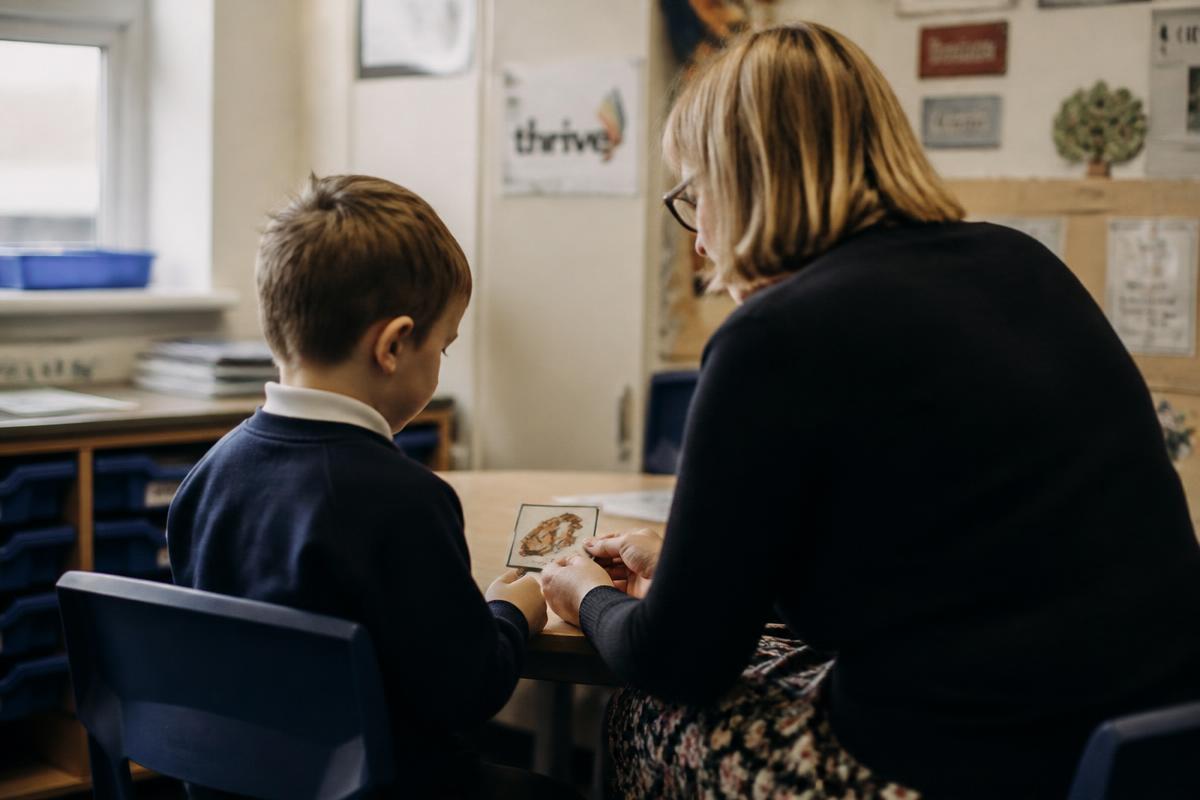
Speech Sounds & Speech Clarity
Being hard to understand is not the same as having less to say. How speech sounds develop, what helps in class and at home, and when to seek advice.
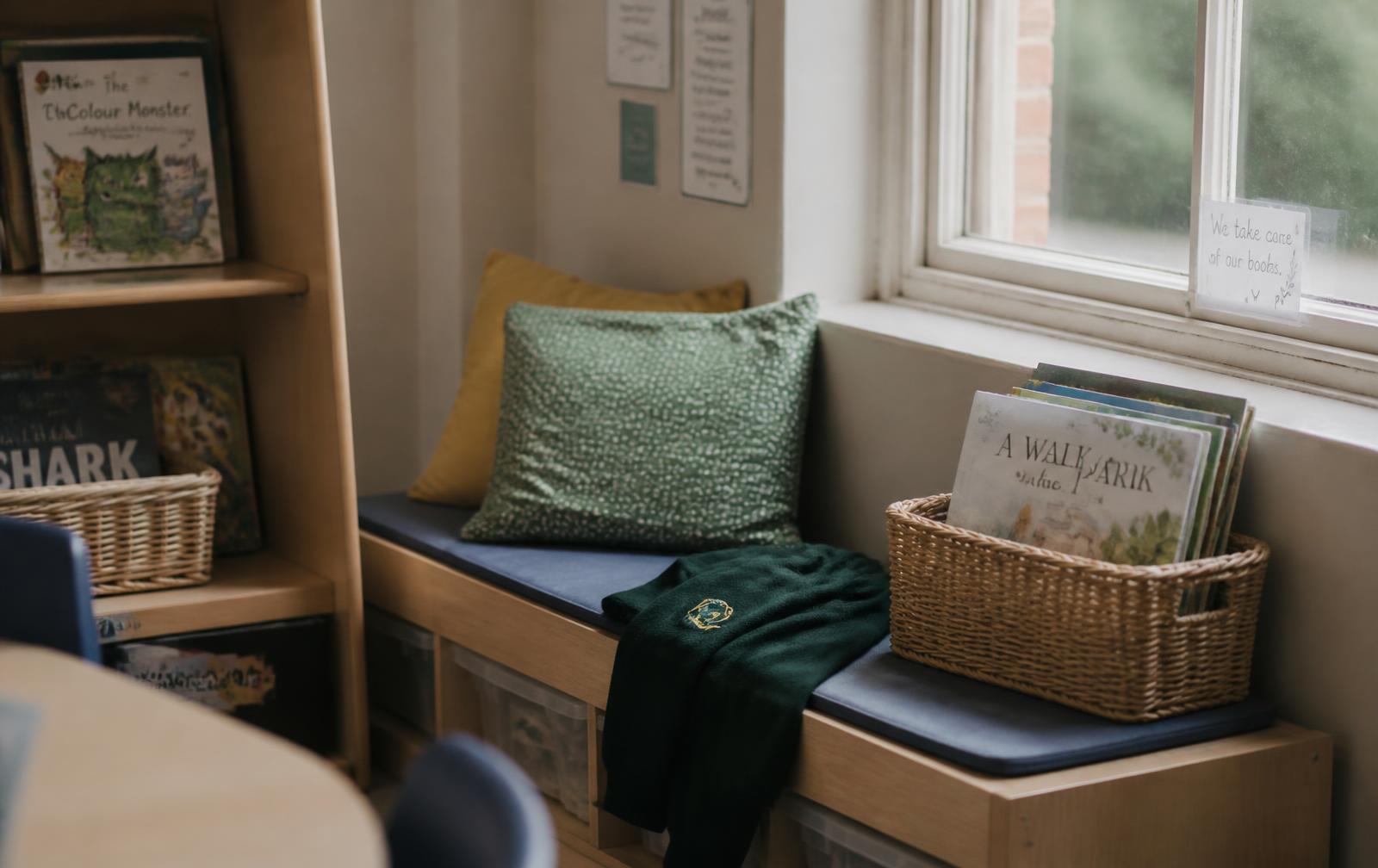
Emotional Regulation
Not the ability to stay calm. What emotional regulation really involves, how it grows through relationships, and what helps at home and in class.
Small things to try together.
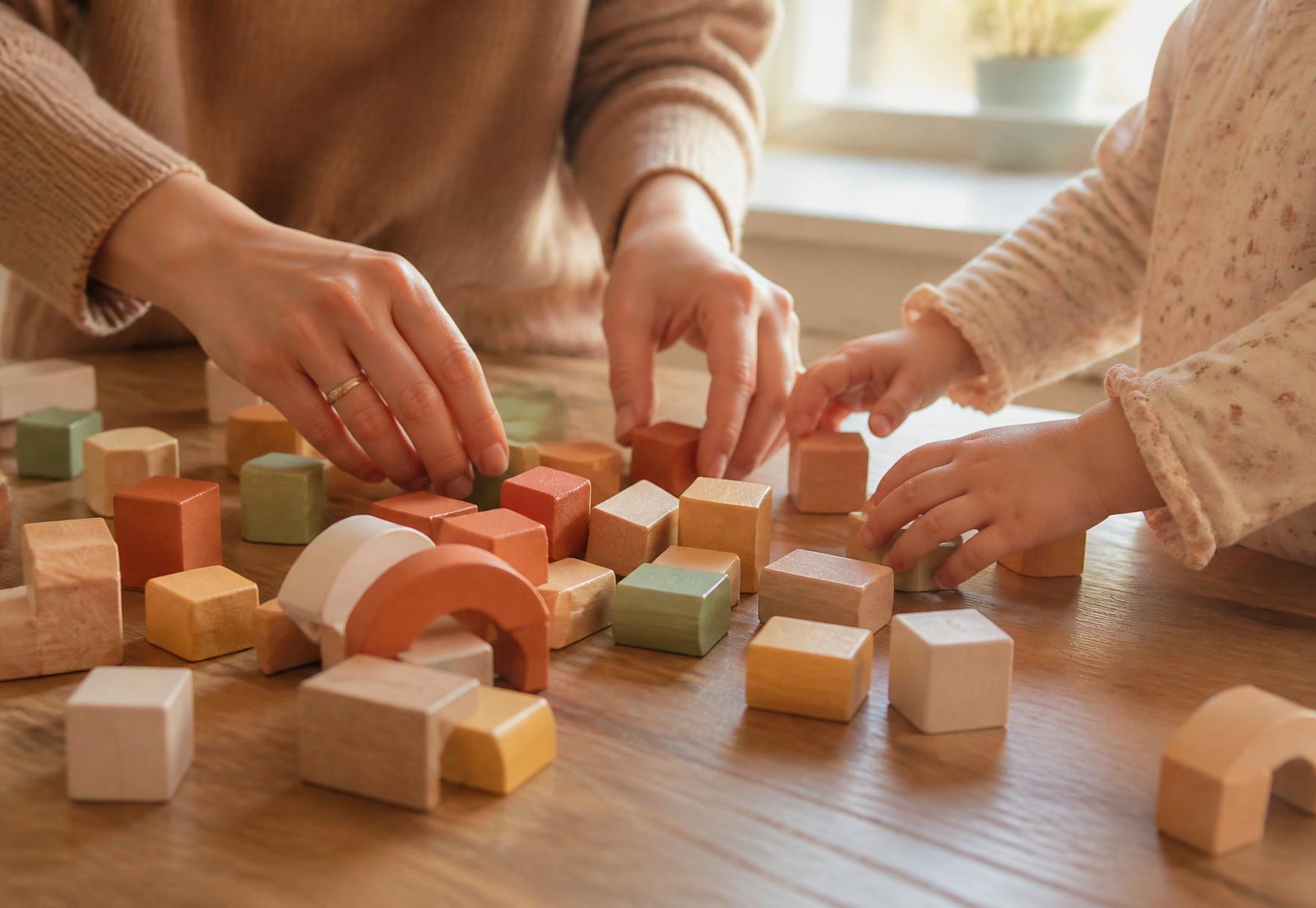
Regulation ideas, routines, games, conversation starters and visual supports — the kind of small, kind moves that add up over a week.
Trace around one hand with the other, breathing in as you go up a finger, out as you go down. Two minutes is enough.
Draw or photograph the six things that happen before school. Stick it on the fridge. Point, don't nag.
A classic memory game in the car. Take turns adding an item. Playful practice for the mental notepad.
At bedtime, share one good thing, one hard thing, one thing you're looking forward to. Small ritual, big listening.
Two small pictures side by side. What's happening now, and what's coming next. Reduces the guesswork.
A simple sheet with weather symbols. Ask your child to pick the one that matches their inside weather today.
When learning feels scary at home.
A dedicated corner of The Kind Learner Space for the harder days — homework refusal, tears, shutdowns, meltdowns. Kind, step-by-step help written for the moment you're in.
Pick what's happening — get a calm 60-second plan and a five-minute reset.
OpenThe five kind steps: notice, reduce, regulate, re-enter, reflect.
OpenCalm, validating phrases for refusal, tears, anger, shutdown and avoidance.
OpenWorksheets by age group, plus planners and script cards to keep by the desk.
Open"My child gets overwhelmed every morning before school."
Type a sentence about what you're seeing. You'll get a handful of practical ideas and the Parent Guides that go with them — no long lecture, no jargon.
Ask for an idea- “Bedtime is a battle every night.”
- “Homework ends in tears.”
- “My child freezes when there's a change of plan.”
- “They can't sit still to eat dinner.”