
ADHD
Attention, impulse and activity are shaped as much by the situation as by the child. This guide looks at what ADHD is, what it is not, and what actually helps in a mainstream primary classroom and at home.
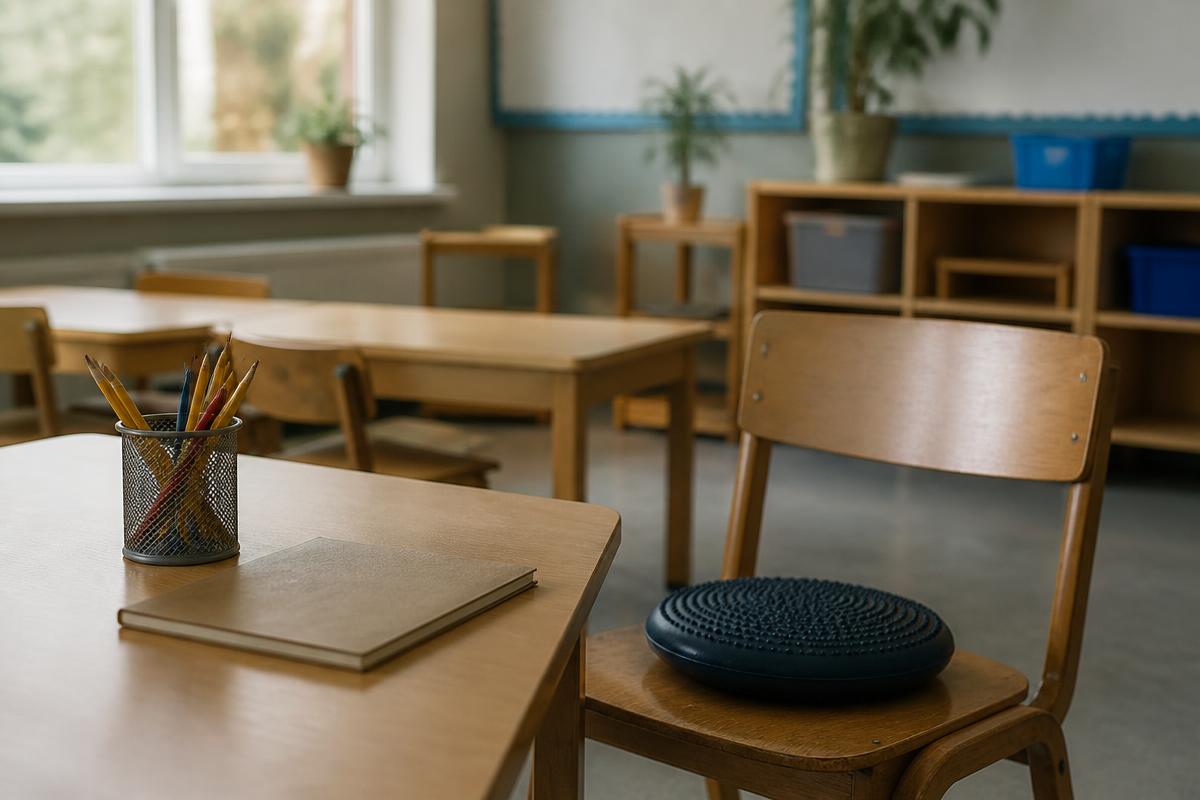
ADHD is a neurodevelopmental condition — a difference in how the brain develops and works, present from early childhood. It is usually described in terms of attention, impulsivity and activity level, but the name is misleading: children with ADHD do not lack attention, they find it harder to direct and hold where it is needed, and sometimes very hard to pull away from something absorbing. Interest, urgency, novelty and how a task is set up change what is possible on a given day, which is why the same child can look so different in two lessons. Only a specialist health assessment can diagnose ADHD, and many children find attention, activity or impulse control difficult without having it. Schools do not need a diagnosis to start helping.
Everyday things you may see
These are observations, not labels. One on its own means very little; a pattern over time is worth talking about.
- Only the last part of an instruction gets done.
- Starting is the hard bit — even for things they want to do.
- Deep absorption in something interesting alongside real difficulty with anything that is not.
- Answers arrive before the question is finished; waiting is uncomfortable.
- Coats, bags, homework and equipment go missing regularly.
- Feelings arrive fast and large, and pass quickly.
- Exhaustion or distress after school, when holding it together stops.
Supporting your child at home
Small, achievable things that make a real difference — no special resources needed.
- One instruction, then wait
Say one thing, let it happen, then say the next. It removes the memory step, which is usually where it falls apart.
- Make the routine visible
A short picture or word list for mornings and bedtimes, in the place it happens. The list does the remembering.
- Cut homework into visible pieces
Three short bursts with a clear finish line rather than one open-ended session.
- Let movement happen
A run, a scooter, jobs around the house. Many families find it helps; it is practical wisdom rather than strong evidence.
- Protect the relationship
Some part of the day that is not about instructions or school. These children collect a great deal of negative feedback over a childhood.
Five evidence-informed ideas
Practical, realistic and usable in a mainstream classroom tomorrow.
- One step at a time, left visible
Sequence the instruction, put it on the board or a desk strip, and check by asking for the first action rather than "do you understand?"
- Get the start over the line
Number one already written, the page open, a quiet "begin with this one". The first thirty seconds decide the next twenty minutes.
- Shrink the visible task
Fold the page or give three questions rather than twelve. Same work, in portions that look finishable.
- Feedback close to the action
Immediate, specific and quiet. "You started straight away" does more than a merit on Friday.
- Signal transitions
Warn, count down, say what happens next. Stopping is often harder than starting.
What is often assumed — and what the evidence says
Fast, immediate, high-interest activities are the easiest possible conditions for attention. Difficulty shows up in slow, effortful, low-interest tasks.
ADHD is a neurodevelopmental condition. NICE does not recommend elimination diets or supplements as a general treatment.
The evidence is limited and mixed. Some children find them useful, others find them distracting — try, review, keep or drop.
The SEND Code of Practice expects provision to follow identified need. Waiting lists are long; support should not wait.
Describe specific situations — which lesson, which part of it, what happens — and what you have already tried and for how long.
Where difficulty is significant, persistent and present across settings despite well-implemented adjustment, review the graduated approach and check for co-occurring language, literacy, sleep or anxiety needs.
Your GP is usually the referral route for ADHD assessment. NICE NG87 and the NHS set out the clinical pathway; schools cannot diagnose.
We do not give medication advice. Where treatment is relevant, that is a conversation with a specialist, and it is not a substitute for adjustments at school.
Go deeper when you want to
The complete professional guide to adhd — research, classroom practice and implementation.
OpenSearch the strategy library for immediate, practical classroom ideas.
OpenPlain-English guides, scripts and printable tools for families.
OpenThe mental notepad that lets a child hold information in mind long enough to use it — and the small changes that make the biggest difference.
Planning, flexibility and impulse control — the mental machinery that lets a developing brain get things done.
What we mean by attention, why it wanders, and the classroom conditions that help it hold.