Skip to content
Evidence Guide
17 min read

Autism

Autism is a difference in how a person communicates, experiences the world and makes sense of it — not a list of deficits. This guide looks at what may be relevant, what the environment contributes, and what genuinely helps in a mainstream primary school.

Reading time
17 min read
Age range
All primary (EYFS–KS2)
Evidence level
Moderate
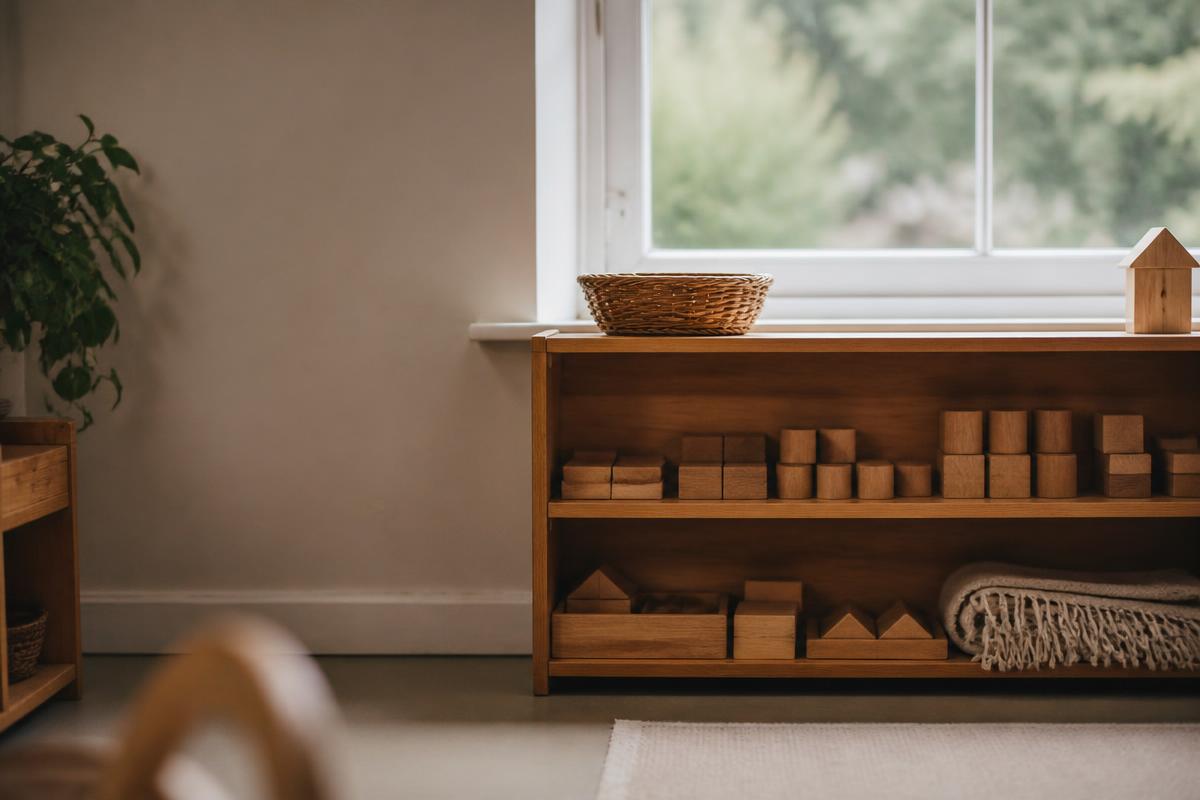
A quiet corner of a primary classroom with a low wooden shelf of neatly arranged wooden blocks and a folded blanket beside a window.
MoreFor teachers

Begin with the environment and the demands

Much of the difficulty an autistic child experiences in a mainstream classroom comes from things you can change: unclear instructions, unpredictable changes, an unrelenting level of social demand, and a sensory environment nobody chose deliberately. The most useful starting question is what this lesson is asking of communication, uncertainty tolerance and sensory processing — and how much of that is actually necessary.

Individualise, or you are guessing

Visual timetables, social stories and sensory tools are commonly used, and can be genuinely useful. None of them works for every autistic child, and issuing them because of a diagnosis rather than an observed need is one of the most common mistakes in mainstream practice.

OverviewFor teachers

What you may see in class

  • Difficulty starting when the instruction is implicit or the outcome is unclear.
  • Distress or shutdown around unexpected change: a different room, a cover teacher, a cancelled activity.
  • Literal interpretation of instructions or questions, and confusion at idiom and sarcasm.
  • Delayed responses — the answer arrives, but after the class has moved on.
  • Reactions to noise, light, smell, proximity or texture that seem disproportionate to the setting but are not to the child.
  • Movement or repetition that helps regulation.
  • Difficulty with the unstructured parts of the day rather than with the lessons.
  • Excellent, detailed knowledge in an area of interest.
  • Nothing obvious at all — a child who is quietly working very hard to appear fine.
MoreFor teachers

Adjustments worth trying

Say the plan, and say it again when it changes

Even a small change told in advance is far cheaper than the same change discovered in the moment. Where possible, name who, what, where and how long.

Remove ambiguity from instructions

State the task, the finish point and what a good version looks like. "Write about the Romans" is an unusable instruction for many children, not just autistic ones.

Allow processing time

Ask, pause, and resist rephrasing. Ten seconds of silence changes participation for a lot of children.

Offer visual support where it helps this child

A sequence, a checklist, a model. Try it, review it, and drop it if the child does not use it.

Lower the social cost of participation

Written responses, mini-whiteboards, partner work with a chosen partner, a pass option. Participation is the goal, not performing participation in a particular way.

Adapt the specific sensory triggers

Find out which ones matter for this child — seating away from the dryer, a quieter route, a warning before the bell — rather than issuing generic equipment.

Build from the interest

Use it as context in tasks, as a way in to reading, as a way to connect with peers. It is the highest-leverage motivational tool you have.

Plan the seams of the day

Arrival, transitions, lining up, playtime, PE changing, wet play. This is where most difficulty is generated and least planning happens.

Have a low-demand option that is not a punishment

Somewhere to go, agreed in advance, that the child can use before things escalate — and that does not cost them the lesson permanently.

OverviewFor teachers

Behaviour, distress and what it means

What is often recorded as behaviour is frequently distress, overload or a communication that has not been read. That does not mean expectations vanish. It means the response should aim at the cause: what changed, what was unclear, what was too loud, what was demanded socially, what was not understood.

  • Reduce demand during distress; teach and problem-solve afterwards, when the child can think.
  • Keep language short in the moment, and avoid asking questions the child cannot answer yet.
  • Look for the pattern across a fortnight — time, subject, adult, transition — rather than analysing a single incident.
  • Avoid public correction; the social exposure is often worse than the sanction.
  • Repair matters, and it should be modelled by the adult first.
MoreFor teachers

Be cautious about these

  • Assuming a visual timetable, social story or sensory tool is needed because of a diagnosis rather than because it helped this child.
  • Insisting on eye contact, or on stillness, as evidence of listening.
  • Stopping regulating movement that is harming nobody.
  • Treating social skills teaching as making a child more normal, rather than as giving them options they can choose to use.
  • "High functioning" and "low functioning": these labels obscure both the support a child needs and what they can do. Describe the actual support instead.
  • Adult support attached permanently to a child, which the EEF SEND guidance warns can reduce independence and peer interaction.
MoreFor teachers

Working with the child and the family

  • Ask the child what helps, in a low-pressure way — written, drawn, or through a chosen adult.
  • Ask parents what the after-school picture looks like; it tells you what the day is costing.
  • Tell parents good things regularly, not only difficulties.
  • Share adjustments with anyone who covers your class, including supply staff and lunchtime supervisors.
  • Take autistic adults' accounts seriously as a source of insight — the 2026 DfE report and current NICE language both reflect that shift.
ResearchFor teachers

Evidence & sources

Supporting participation is not the same as reducing visible autism

There is a real difference between changing the environment and the demands so a child can take part, communicate and be understood — and teaching a child to appear less autistic. The first is inclusion. The second has been widely criticised by autistic people and is associated with masking and with poorer wellbeing. Whenever a strategy is proposed, it is worth asking which of the two it is actually for.

What this guide is, and is not

This is an educational resource written for schools and families. It does not identify, diagnose or rule out autism — that is a clinical assessment, usually multidisciplinary, following the NICE pathway. It also cannot describe an individual autistic child, because autistic people differ from each other as much as anyone else does. Read it as a set of things that may be relevant, then find out which of them apply to the child in front of you — ideally by asking them.

  1. National Institute for Health and Care ExcellenceProfessional guidance
    Autism spectrum disorder in under 19s: recognition, referral and diagnosis (CG128) (2011, updated 2017)

    How recognition, referral and diagnostic assessment should work in England. Diagnosis is a multidisciplinary clinical process, not a school judgement.

  2. National Institute for Health and Care ExcellenceProfessional guidance
    Autism spectrum disorder in under 19s: support and management (CG170) (2013, updated 2021)

    Support and management. The 2021 update moved to identity-first language and added recommendations on co-occurring difficulties.

  3. NHSProfessional guidance
    Signs of autism in children

    Plain-English NHS information, and clear that many autistic people will not show all the signs and that autism looks different in different people.

  4. Department for Education / University College LondonResearch summary
    Identifying and supporting the needs of autistic children and young people: a rapid evidence review (September 2025)

    DfE-commissioned review by UCL. Carries an explicit disclaimer that it is not an endorsement of the approaches described and does not reflect government policy.

  5. Department for EducationResearch summary
    Neurodivergence Task and Finish Group: report — recommendations for mainstream education (February 2026)

    Independent report to DfE. Recommendations rather than statutory duties, organised around identification of strengths and needs, workforce, learning environments and accountability.

  6. Department for EducationStatutory guidance
    SEND Code of Practice: 0 to 25 years (2015)

    Current statutory guidance: the graduated approach, the duty to involve children and families, and provision that follows identified need rather than diagnosis.

  7. Education Endowment FoundationResearch summary
    Special Educational Needs in Mainstream Schools — guidance report (2020, updated 2021)

    High-quality teaching first, careful use of teaching assistants, and a warning against arrangements that separate pupils with SEND from their peers by default.

  8. Department for EducationStatutory guidance
    Working together to improve school attendance (2022, statutory from 2024)

    Relevant where attendance is affected — expects barriers to be understood and support offered rather than attendance treated purely as compliance.

  9. National Institute for Health and Care ExcellenceProfessional guidance
    Social, emotional and mental wellbeing in primary and secondary education (NG223) (2022)

    Whole-school approach to wellbeing. Relevant because anxiety commonly sits alongside autism in school settings.

Supporting Families
Looking for a parent-friendly version of Autism?

The Kind Learner Space has this guide in plain English for families — the same evidence, translated for home.

Open in The Kind Learner Space
Continue exploring

Where to go next.

A calm handful of next steps — not a checklist. Follow whichever thread is most useful right now.

Related guides

A natural next thread.

For families

Share this at home.

A plain-English version parents and carers can read at home — same evidence, warmer language.

Same category

More in Neurodevelopment.

ADHD, Autism, Dyslexia, Dyspraxia, sensory processing and related neurodevelopmental profiles.

You may also find these helpful

Related Evidence Guides

Each guide below connects to the one you've just read. We've noted why — so you can follow the thread that matters most to you.

A stack of well-loved picture books beside a notebook on a wooden desk in soft window light.
Evidence guide · 12 min read

Working Memory

The mental notepad that lets a child hold information in mind long enough to use it — and the small changes that make the biggest difference.

Explore
A pegboard on a classroom wall with wooden name tags in warm afternoon light.
Evidence guide · 14 min read

Executive Function

Planning, flexibility and impulse control — the mental machinery that lets a developing brain get things done.

Explore
An open book and pencil on a classroom desk lit by low morning sunlight through a window.
Evidence guide · 11 min read

Attention

What we mean by attention, why it wanders, and the classroom conditions that help it hold.

Explore
A quiet primary classroom corner with soft natural light, uncluttered surfaces and calm materials.
Evidence guide · 11 min read

Cognitive Load

How lesson design shapes what a working memory can carry — and the small design choices that free up thinking for learning.

Explore
A child's small hands holding an autumn maple leaf in soft window light.
Evidence guide · 10 min read

Processing Speed

Why this is relevant

Processing time is one common area of difference. Slower does not mean less capable.

Explore
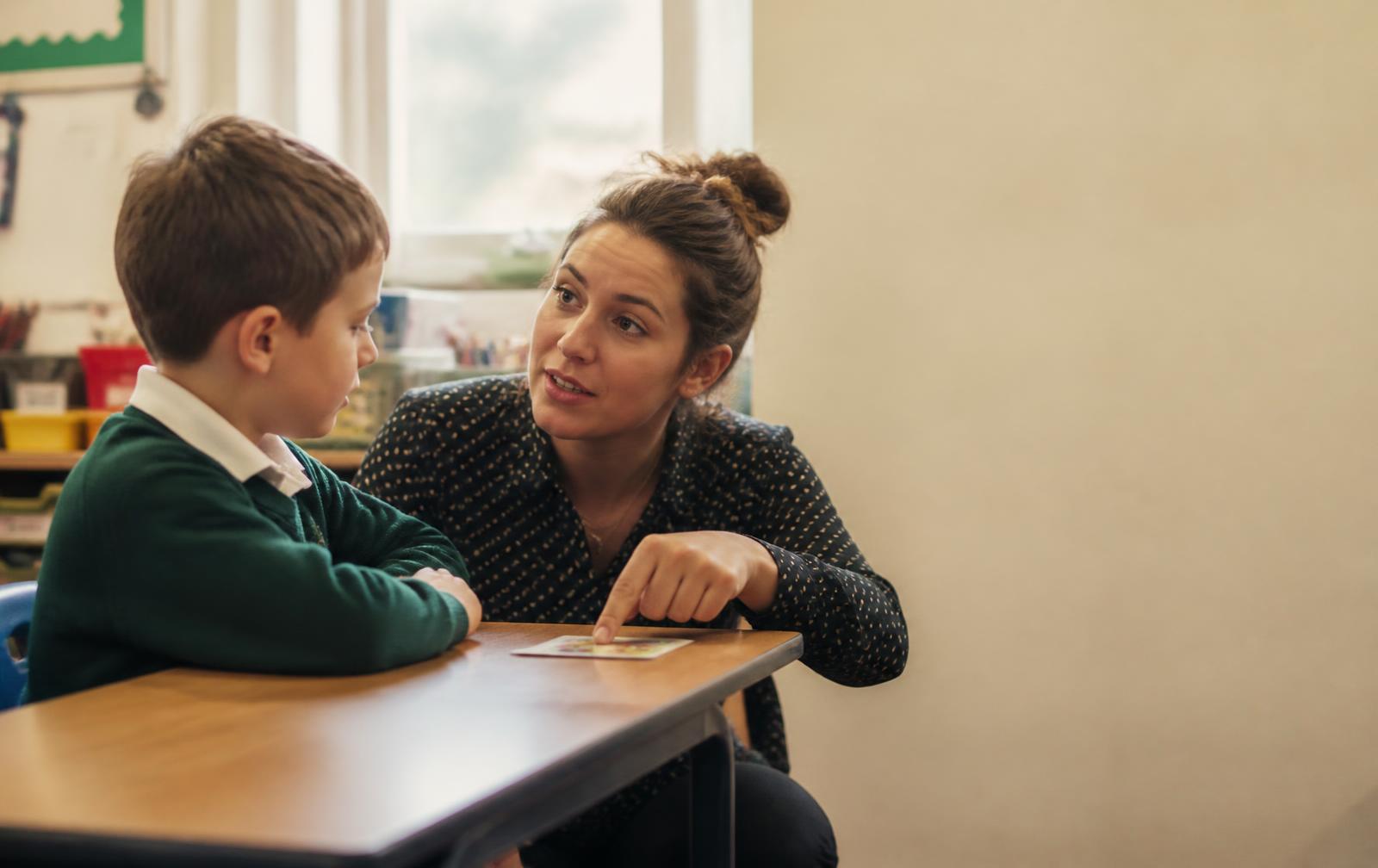
A teacher crouched at eye level beside a young child at a classroom desk, pointing at a small visual card in soft window light.
Evidence guide · 13 min read

Understanding Spoken Language

Why this is relevant

Understanding is not the same as hearing. Relevant for some autistic children, particularly around instructions and processing time.

Explore
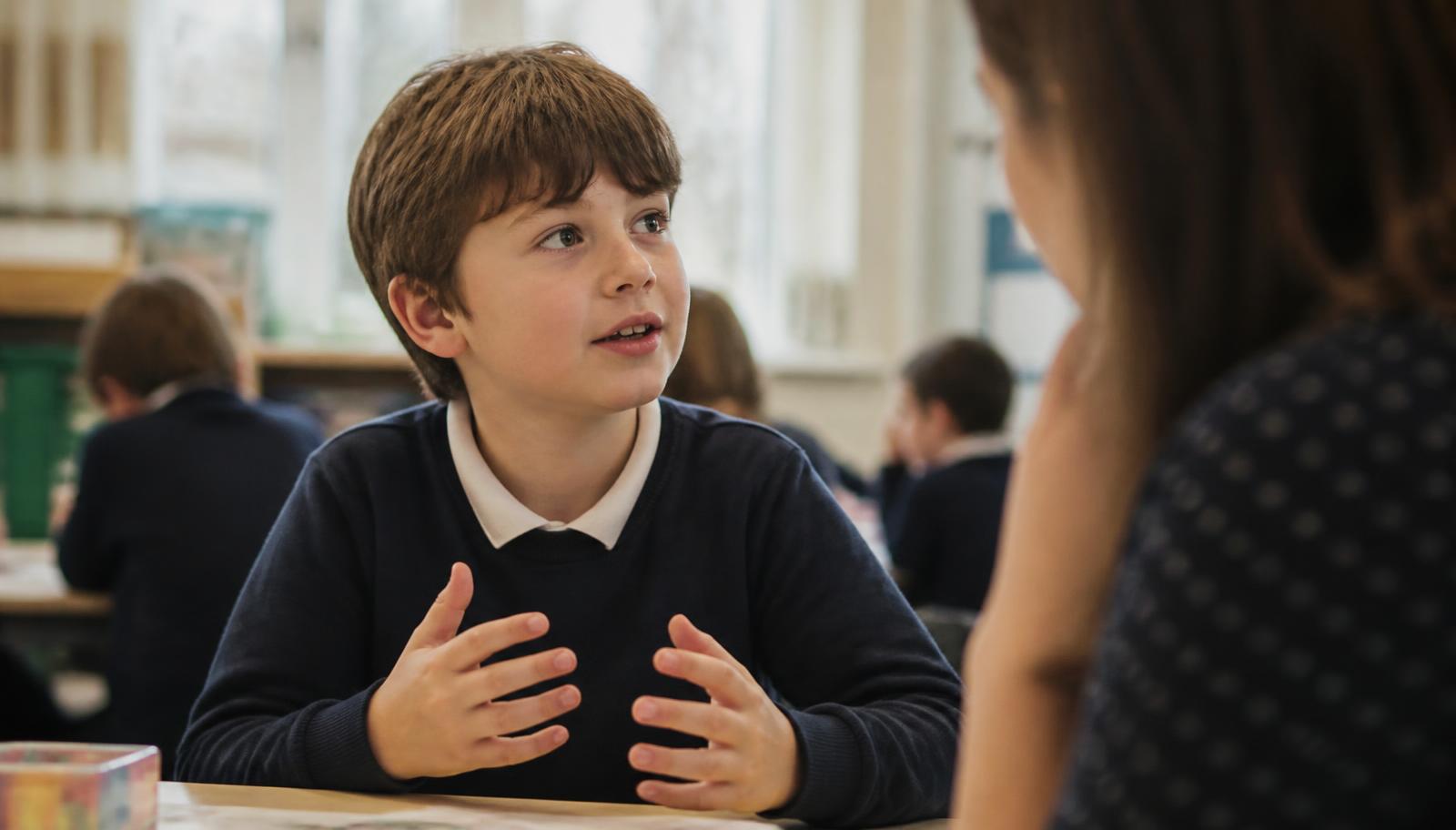
A young primary school child talking animatedly to an adult across a classroom table in soft window light.
Evidence guide · 14 min read

Expressive Language

Why this is relevant

Some autistic children understand far more than they can say in the moment; this guide covers the gap and what helps.

Explore
An adult and a young primary school child sitting side by side over an open picture book in soft window light.
Evidence guide · 14 min read

Vocabulary & Word Knowledge

What it means to really know a word, why word knowledge sits underneath so much classroom learning, and how adults can build it deliberately without turning language into a deficit.

Explore
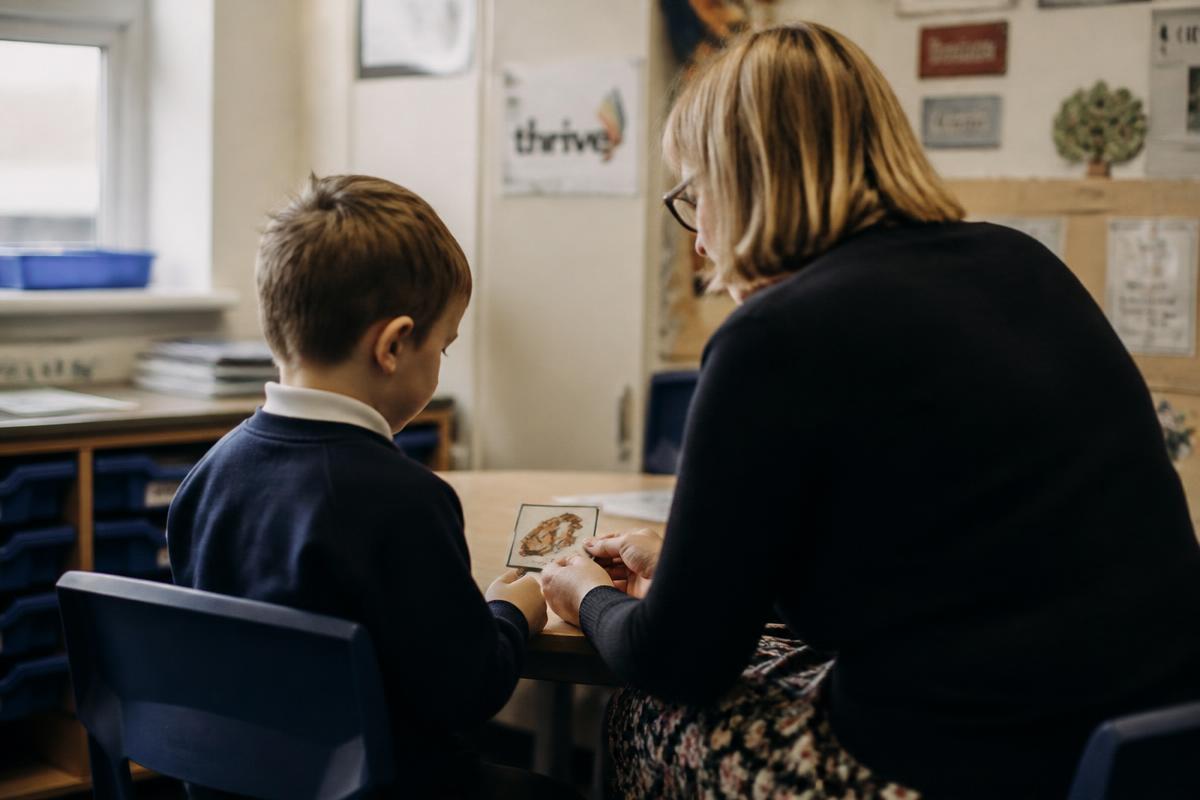
An adult and a young primary school child sitting side by side at a classroom table, looking together at a small picture card in soft window light.
Evidence guide · 14 min read

Speech Sounds & Speech Clarity

Being hard to understand is not the same as having less to say. What speech sounds are, how clarity develops at different rates, and how to keep a child fully included while it does.

Explore
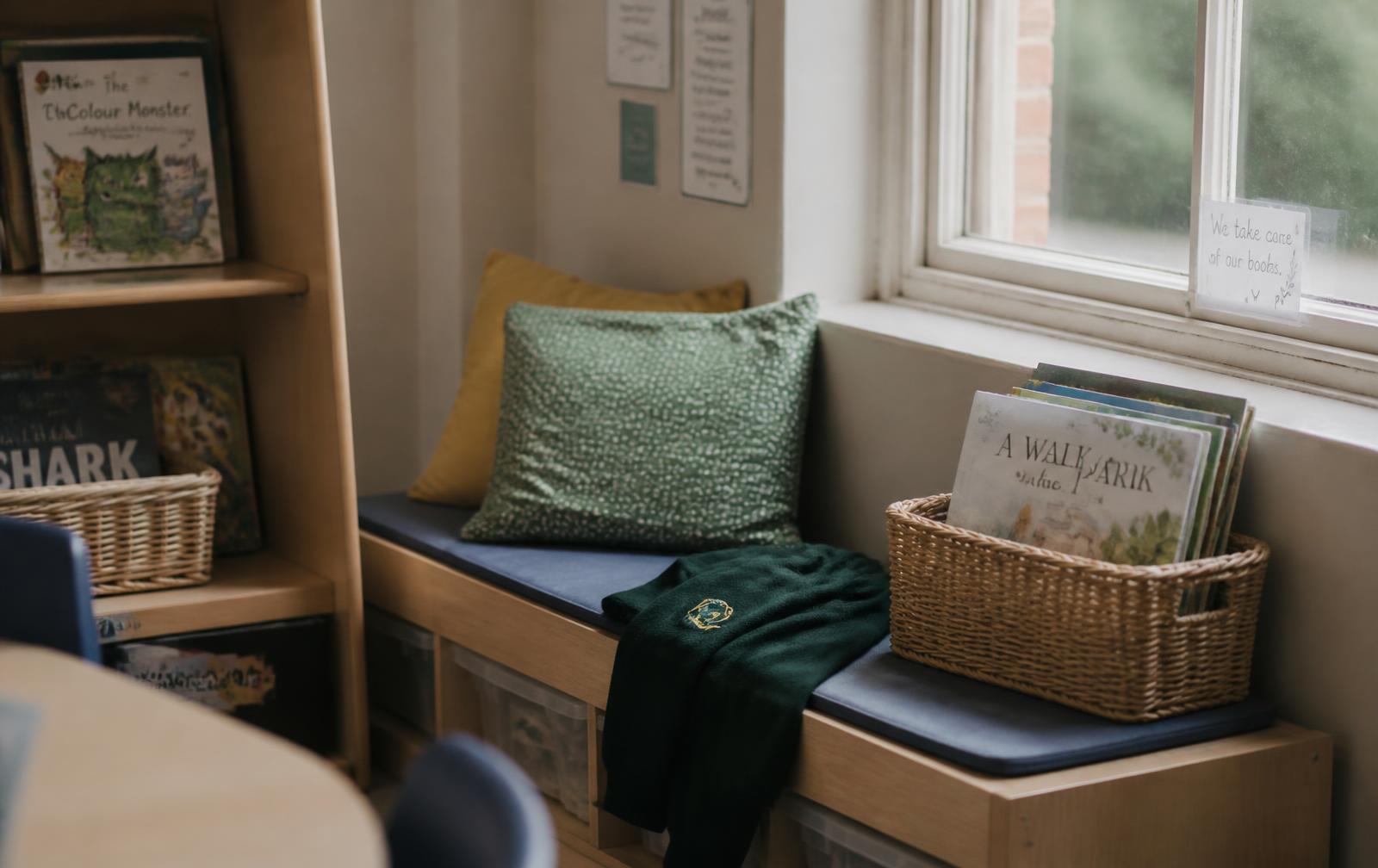
A quiet primary school book corner with a wooden bench, cushions and a basket of picture books beside a window in soft daylight.
Evidence guide · 15 min read

Emotional Regulation

Why this is relevant

For the difference between distress and behaviour, and what co-regulation looks like in a classroom.

Explore
A quiet primary school cloakroom with a single coat and book bag on a wooden peg rail in soft morning light.
Evidence guide · 15 min read

Anxiety & Worry

Why this is relevant

Anxiety commonly sits alongside autism in school settings. This guide covers what helps without making it bigger.

Explore
A quiet primary classroom carpet area with cushions and a low bookshelf in soft daylight.
Evidence guide · 16 min read

Understanding Behaviour

Why this is relevant

Where distress is being recorded as behaviour, this guide covers how to look at context first.

Explore
An empty wooden bench beside a primary school playground with a faded chalk hopscotch grid and autumn leaves.
Evidence guide · 15 min read

Relationships & Belonging

Why this is relevant

Belonging and friendship on the child's own terms, rather than social skills as conformity.

Explore
An empty primary school desk with a pencil pot and notebook beside a wooden chair with a wobble cushion, in soft morning light.
Evidence guide · 16 min read

ADHD

Attention, impulse and activity are shaped as much by the situation as by the child. This guide looks at what ADHD is, what it is not, and what actually helps in a mainstream primary classroom and at home.

Explore
An open book resting on a wooden primary school table beside a pencil and reading glasses in soft window light.
Evidence guide · 16 min read

Dyslexia

Dyslexia is about accurate, fluent word reading and spelling — not reversed letters or a visual learning style. This guide separates what is known from what is myth, and sets out the teaching and adjustments that actually help.

Explore
An adult's hand gently holding a young child's hand in soft natural light.
Evidence guide · 13 min read

School Attendance

When getting to school becomes the hardest part of the day. What can sit underneath attendance difficulties, how families and schools can work on it together, and what the guidance actually expects.

Explore
A calm, quiet reading corner in a primary classroom with cushions and soft daylight.
Evidence guide · 11 min read

Transitions

Moving from one thing to the next — between activities, places, people and years. Why change can be so hard for some children, and the calm, predictable preparation that helps.

Explore
Soft natural textures and calm materials arranged in gentle daylight.
Evidence guide · 11 min read

Sensory Needs

Some children experience noise, light, touch, smell or movement more — or less — intensely than others. What that can look like, why it matters for learning and wellbeing, and the calm adjustments that help.

Explore
A tidy wooden desk with a notebook and pencils in soft window light.
Evidence guide · 9 min read

Homework

Making home learning calmer for everyone. What the evidence says about primary homework, why it can be so hard after a long school day, and how families and schools can keep it purposeful rather than painful.

Explore
A parent and child sharing a picture book together in soft, warm light.
Evidence guide · 9 min read

Sleep

Small, steady changes that help a child settle and stay asleep — and why sleep matters so much for learning, mood and coping. Based on NHS advice.

Explore