
AssessmentFor SENDCOs
Assessment considerations
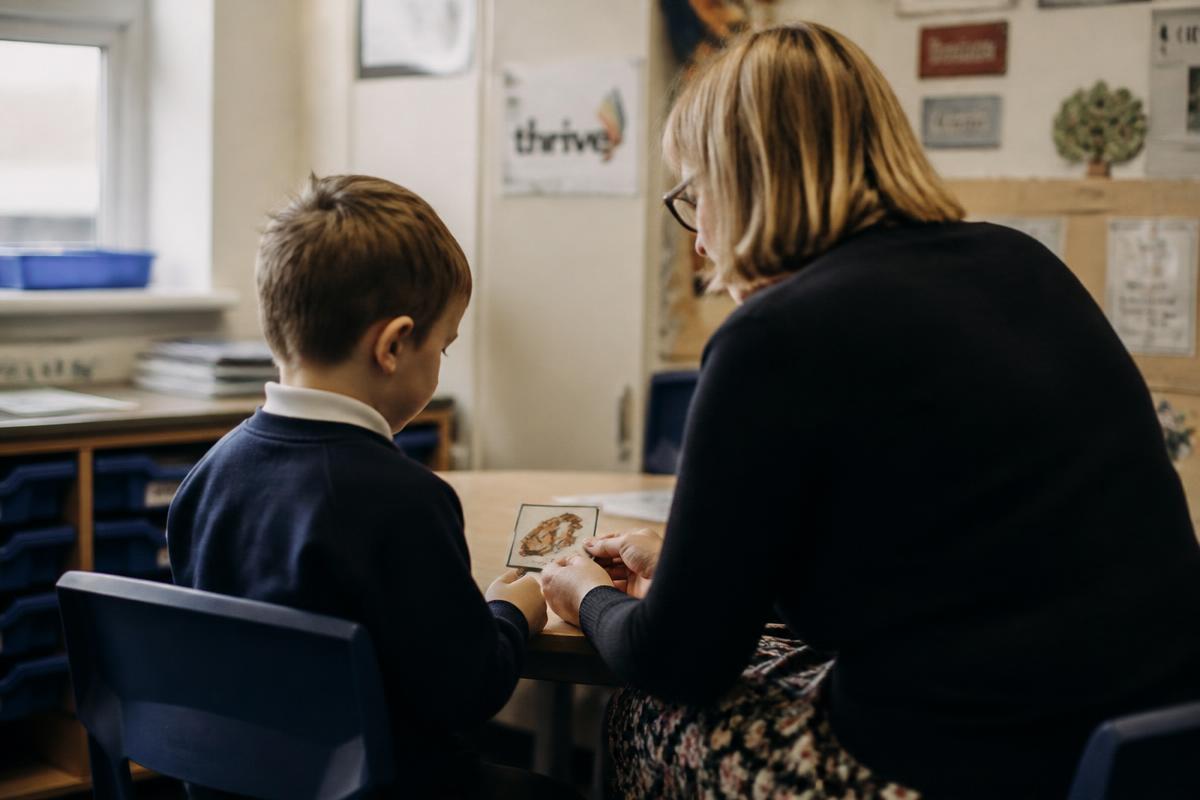
- Compare performance with and without visual support, and with short versus long instructions — the difference is the useful information.
- Observe across contexts: whole class, small group, one-to-one, noisy and quiet, familiar and unfamiliar adult.
- Check hearing has been screened, and consider EAL, attendance and prior language experience as part of the picture.
- Gather pupil voice and family observations alongside classroom data.
- Note strengths as carefully as barriers.
Classroom observation cannot identify Developmental Language Disorder or any other condition. Where difficulties are significant or persistent, seek advice from speech and language therapy through your local pathway.