
Evidence Guide
10 min read

Processing Speed

The pace at which a child takes in, makes sense of and responds to information — and why slower doesn't mean less capable.

Reading time
10 min read
Age range
All primary (EYFS–KS2)
Evidence level
Moderate
A child's small hands holding an autumn maple leaf in soft window light.
Written for families

Plain English, no jargon. You don't need a teaching background to use this — just read the parts that feel useful and skip the rest. If something raises a question, your child's teacher or SENDCO is the best next step.

Support at homeFor parents

Practical ideas to try

Give thinking time

Ask, then wait — count silently to ten. Their answer is on its way.

Reduce pace where you can

Morning routines with visual timers, homework with pause points, dinner with a turn-taking rhythm.

Prewarn topics

"I'm going to ask you about your day in a minute" gives them time to prepare an answer.

Protect rest

A day of trying to keep up is exhausting. Recovery time after school isn't laziness — it's necessary.

Supporting School
Curious how school approaches processing speed?

The professional Evidence Library shows the same ideas written for teachers, SENDCOs and school leaders.

Open the Evidence Library
Continue exploring

Where to go next.

A calm handful of next steps — not a checklist. Follow whichever thread is most useful right now.

For the classroom

What school is doing.

See the same evidence translated for teachers, so home and school can pull in the same direction.

Browse by theme

Zoom out.

Sensory, attention, communication, wellbeing — see how this topic sits alongside the wider picture.

Learning pathway

Take the longer route.

Working memory, attention, executive function and cognitive load — threaded into one guided journey.

You may also find these helpful

Related Evidence Guides

Each guide below connects to the one you've just read. We've noted why — so you can follow the thread that matters most to you.

A stack of well-loved picture books beside a notebook on a wooden desk in soft window light.
Evidence guide · 12 min read

Working Memory

Why this is relevant

Slower processing gives working memory more to hold for longer — a common source of overload.

Explore
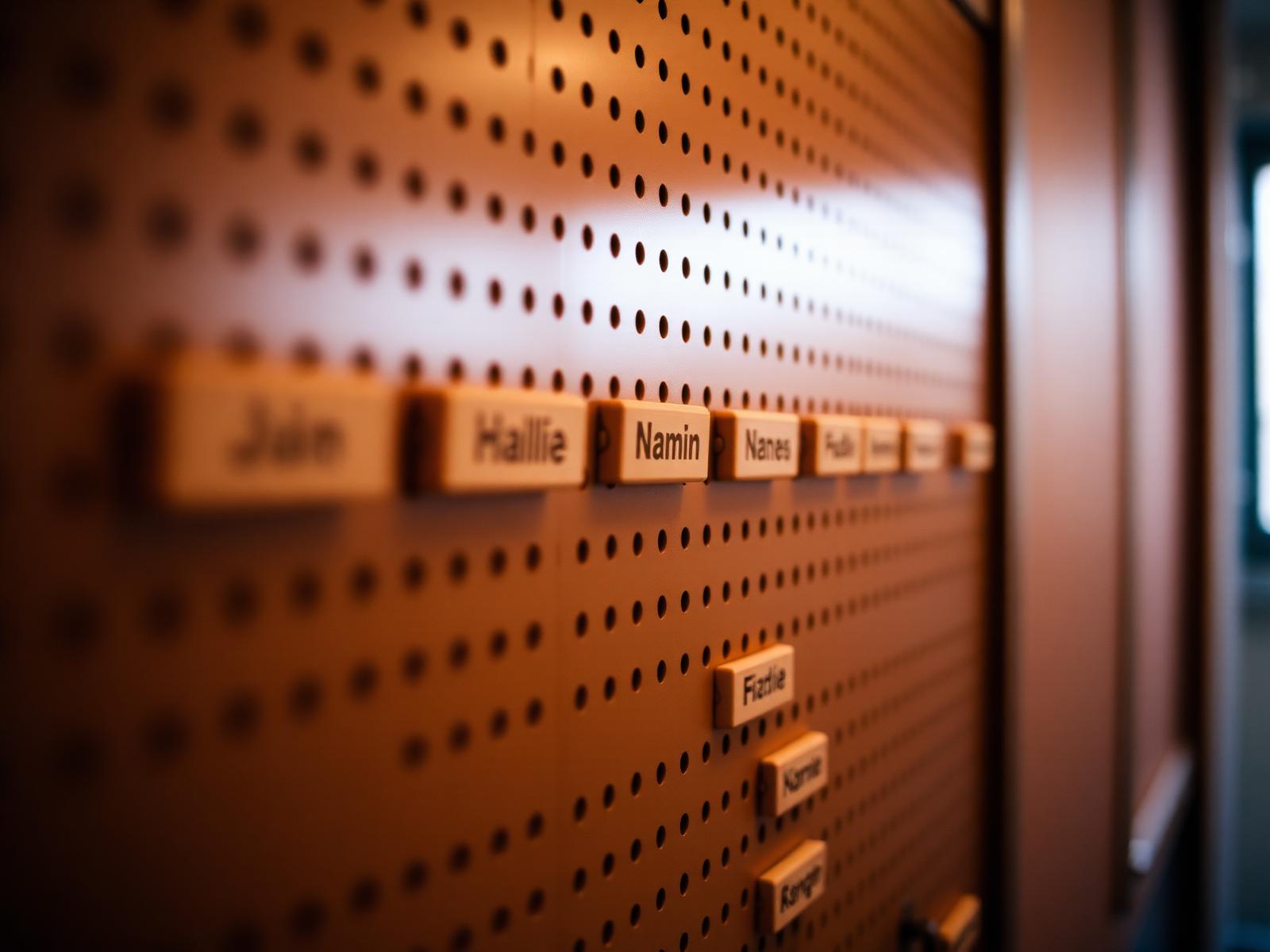
A pegboard on a classroom wall with wooden name tags in warm afternoon light.
Evidence guide · 14 min read

Executive Function

Why this is relevant

Executive tasks like planning or switching are more effortful when processing is slower.

Explore
An open book and pencil on a classroom desk lit by low morning sunlight through a window.
Evidence guide · 11 min read

Attention

Why this is relevant

Sustained attention is harder when responses take longer — pace and focus support each other.

Explore
A quiet primary classroom corner with soft natural light, uncluttered surfaces and calm materials.
Evidence guide · 11 min read

Cognitive Load

Why this is relevant

Cognitive load and processing speed compound: heavier tasks feel heavier still when the pace is slower.

Explore
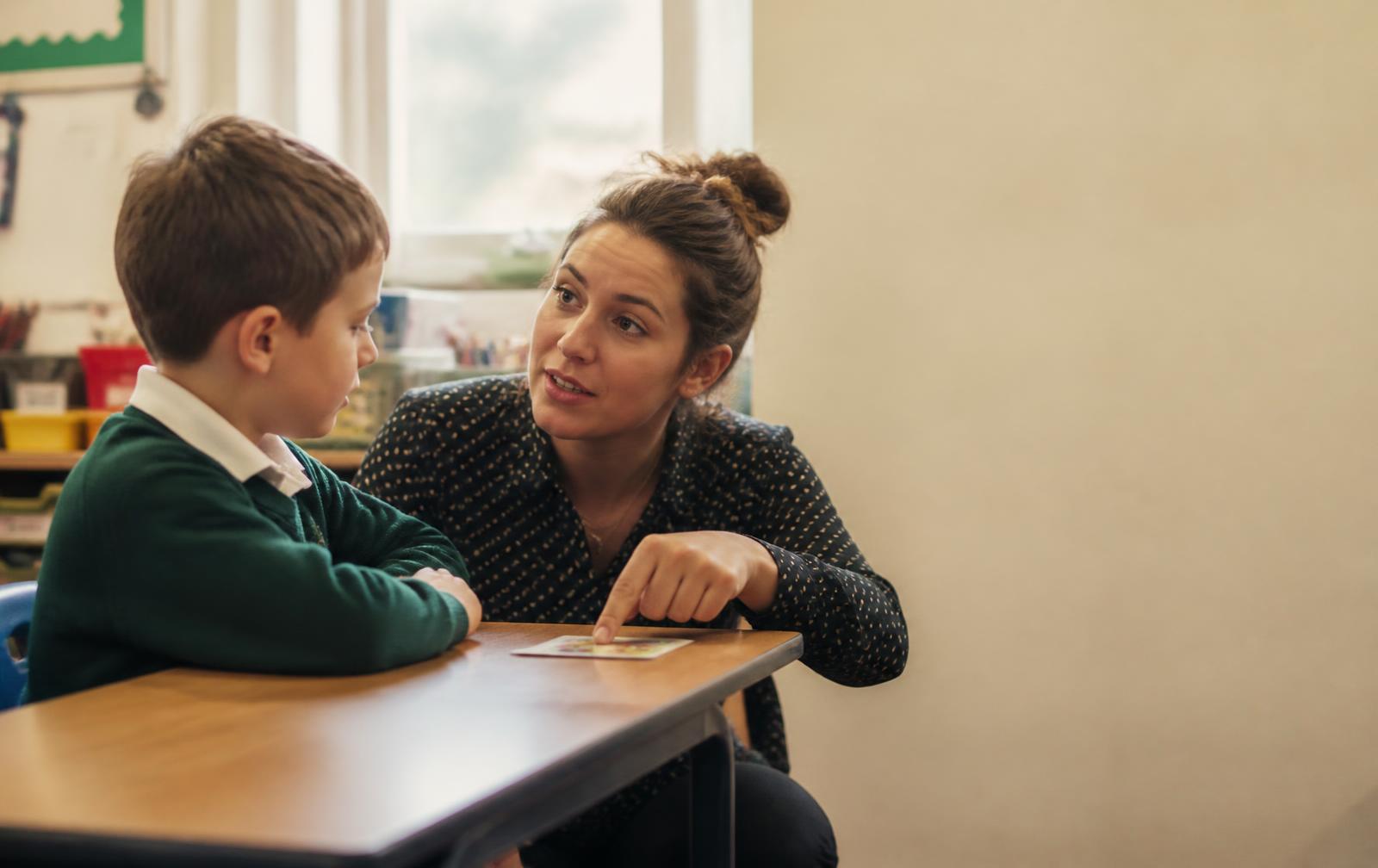
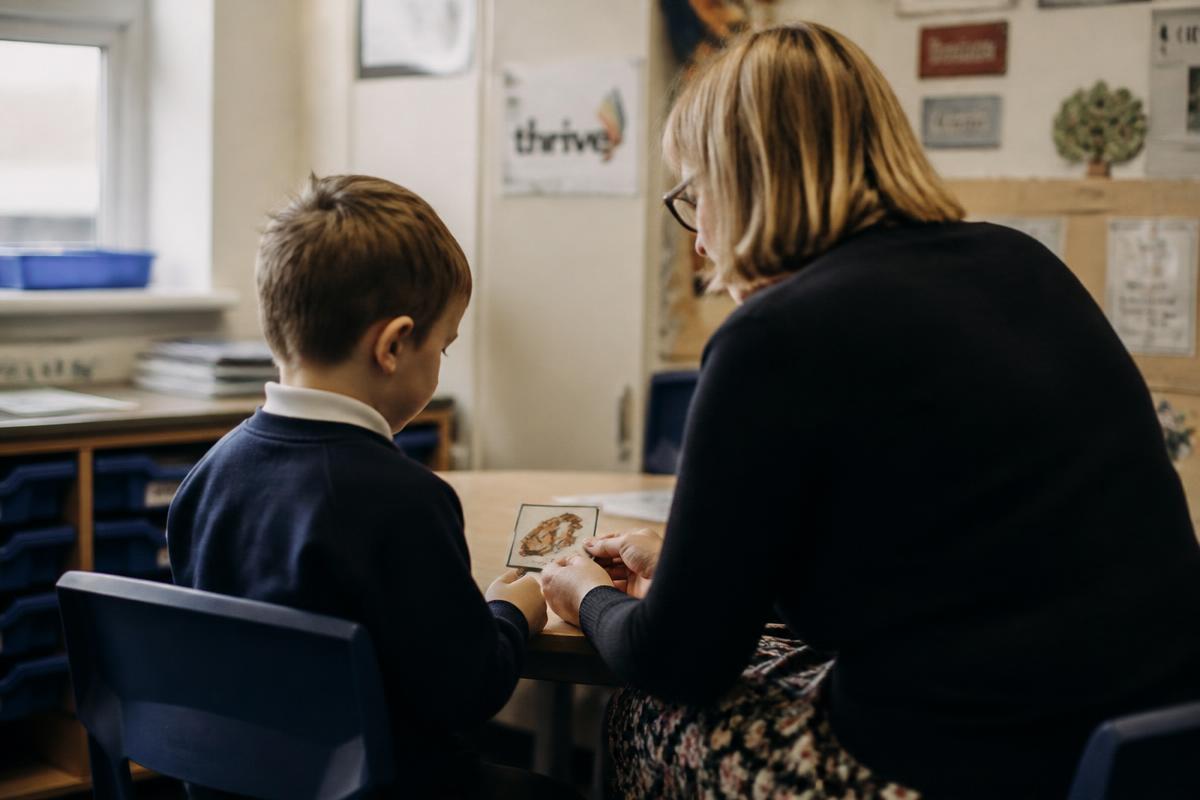
A teacher crouched at eye level beside a young child at a classroom desk, pointing at a small visual card in soft window light.
Evidence guide · 13 min read

Understanding Spoken Language

How children make sense of what adults say — and what we can change about the way we communicate so that more children understand, participate and show what they know.

Explore
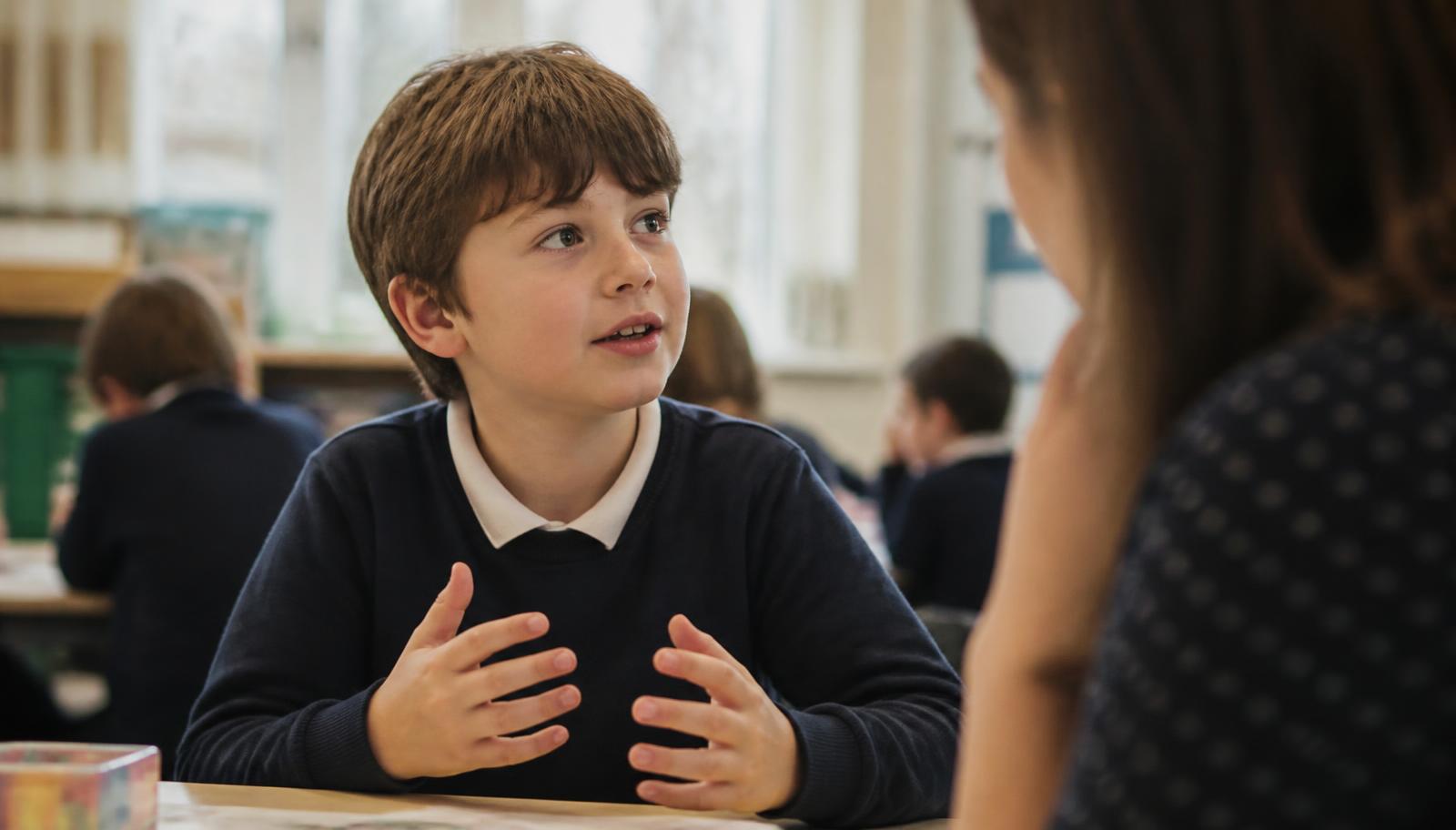
A young primary school child talking animatedly to an adult across a classroom table in soft window light.
Evidence guide · 14 min read

Expressive Language

How children put their thoughts, ideas, needs and experiences into words — and what adults can change so that more children can show what they think and know.

Explore
An adult and a young primary school child sitting side by side over an open picture book in soft window light.
Evidence guide · 14 min read

Vocabulary & Word Knowledge

What it means to really know a word, why word knowledge sits underneath so much classroom learning, and how adults can build it deliberately without turning language into a deficit.

Explore
An adult and a young primary school child sitting side by side at a classroom table, looking together at a small picture card in soft window light.
Evidence guide · 14 min read

Speech Sounds & Speech Clarity

Being hard to understand is not the same as having less to say. What speech sounds are, how clarity develops at different rates, and how to keep a child fully included while it does.

Explore
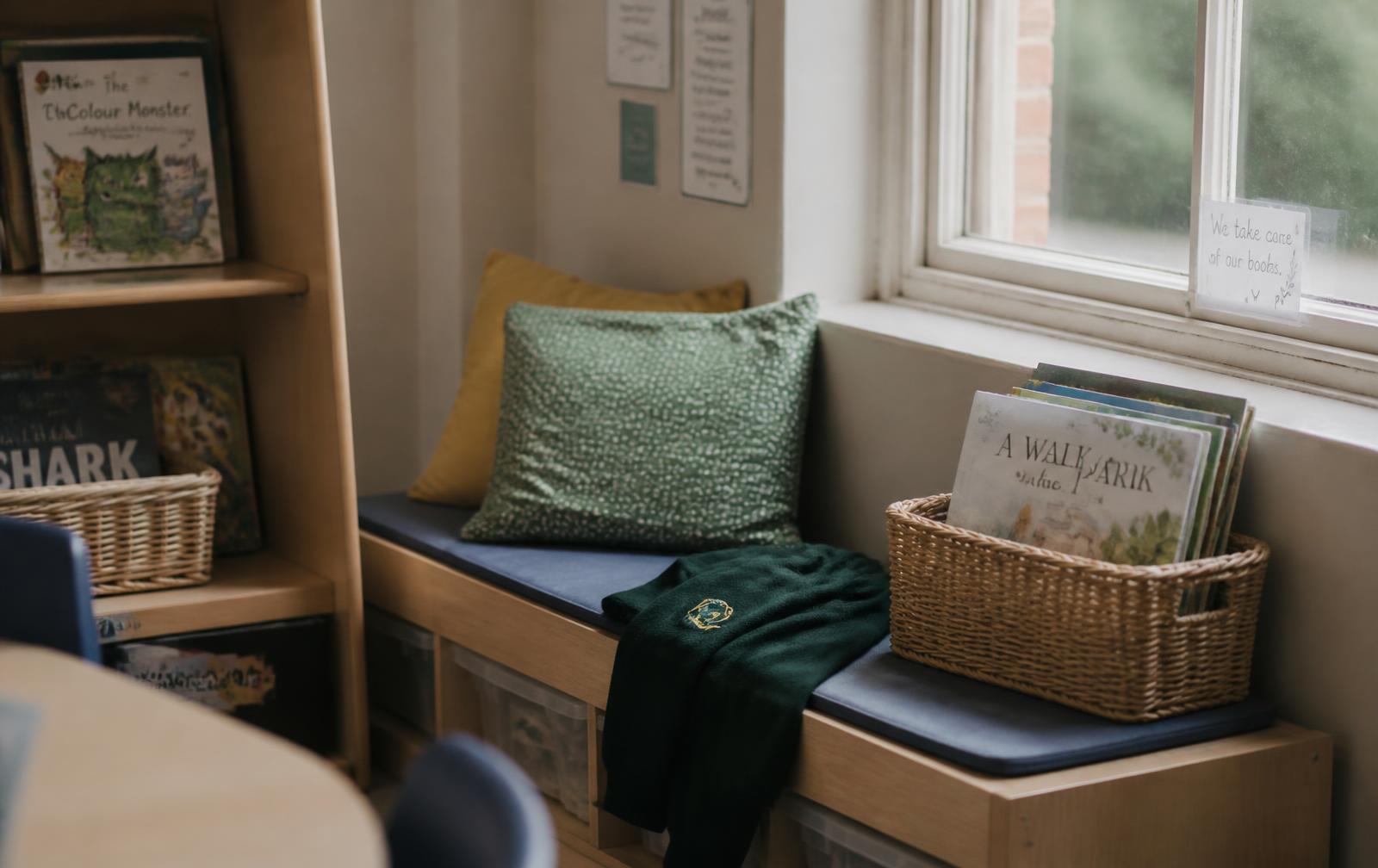
A quiet primary school book corner with a wooden bench, cushions and a basket of picture books beside a window in soft daylight.
Evidence guide · 15 min read

Emotional Regulation

Not the ability to stay calm. What emotional regulation actually involves, how it grows through relationships, and what genuinely helps at home and in class — with the strength of the evidence stated plainly.

Explore